Amino Acids
L-Lysine Sulphate 70% (Feed Grade) — Amino Acid Additive for Animal Nutrition
Cost-effective feed-grade amino acid source: L-Lysine Sulphate 70% (≥55% available lysine). Widely applied in poultry, swine, and aquaculture nutrition to optimize growth and feed efficiency. Samples available, bulk packaging customizable.
1. Product Names & Synonyms
- Official name: L-Lysine Sulphate 70% (Feed Grade)
- Synonyms: L-lysine sulphate, lysine sulphate (feed grade), 70% lysine sulphate, lysine sulphate granules
- CAS No.: 60343-69-3
- Molecular Formula: C₆H₁₆N₂O₆S
- Common abbreviation: L-Lysine Sulphate 70%
2. Technical Specifications & Properties
Guaranteed Analysis
- L-lysine sulphate (as salt): ~70%
- Available L-lysine (free base): ≥55%
- Other amino acids: ≥10% (fermentation by-products)
- Moisture: ≤3.0%
- Ash: ≤4.0%
- pH (1% solution): 3.0–6.5 (typical ≈3.5)
- Sulphate content: ≤15%
- Heavy metals: ≤0.003%
- Shelf life: 24 months (unopened, dry conditions at ambient temperature)
Physical Properties
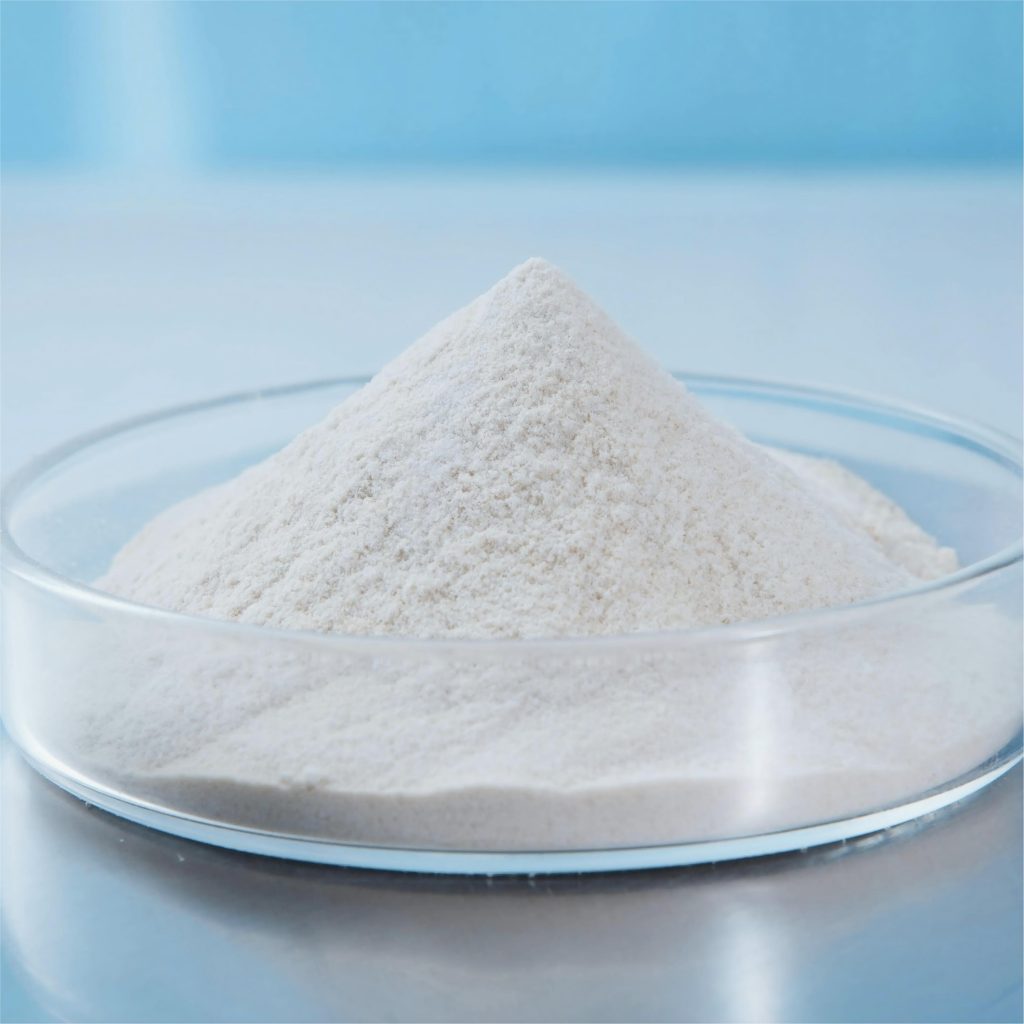
- Appearance: light brown to yellowish free-flowing powder or granules
- Solubility: easily soluble in water, insoluble in oil
- Bulk density: 600–650 kg/m³ (≈0.60–0.65 g/cm³)
- Particle size: ≥90% pass 1.55–1.7 mm sieve
Chemical Properties
- Molecular weight: ~244.26 g/mol
- Stability: stable under dry, cool, and light-protected conditions
- Reactivity: Avoid prolonged high-temperature processing to reduce Maillard reactions
4. Application & Usage
Calculation Formula
Required lysine (g/kg) ÷ Available lysine fraction (0.55) = Dosage of L-Lysine Sulphate (g/kg feed).
Dosage Examples
- To supply 1.0 g/kg lysine → add 1.82 g/kg (1.82 kg/ton) L-Lysine Sulphate
- To supply 1.5 g/kg lysine → add 2.73 g/kg (2.73 kg/ton)
- To supply 2.0 g/kg lysine → add 3.64 g/kg (3.64 kg/ton)
Species Applications
- Swine (30–60 kg grower pigs): Target SID lysine ≈0.94% (9.4 g/kg). If basal feed provides 7.5 g/kg, supplement 1.9 g/kg → add 3.45 kg/ton.
- Broilers: Target ≈1.0% lysine. If basal feed has 8.5 g/kg, supplement 1.6 g/kg → add 2.91 kg/ton.
- Layers / Aquaculture: Dosage depends on growth stage; calculate with a formula based on NRC or company nutrition standards.
- Ruminants: Not effective unless rumen-protected, since unprotected lysine is degraded in the rumen.
Best Practices
- Pre-mix in small batches before blending into the final feed.
- Monitor heat treatment (pelleting) to avoid lysine loss.
- Use appropriate PPE (mask, goggles) to prevent dust exposure.
5. Packaging & Storage
- Packaging: 25 kg carton drums, kraft bags with PE liner, or jumbo bags (500–1000 kg).
- Storage: keep sealed, dry, at ambient temperature, away from heat, moisture, and direct sunlight.
- Shelf life: 24 months unopened under recommended storage.
- Safety: dust may cause irritation; handle with ventilation and protective equipment.
6. Comparison with L-Lysine HCl
- Purity vs dosage: L-Lysine HCl contains 98.5% salt (~78% lysine), requires a lower inclusion rate but is more expensive.
- Economics: L-Lysine Sulphate provides similar nutritional value at a lower cost per unit of usable lysine.
- Practicality: Both are highly bioavailable; choice depends on feed mill economics and formulation precision.
7. Quality Control (Buyer Checklist)
- Test items: lysine content, moisture, ash, particle size, heavy metals, microbiology.
- Methods: HPLC for amino acid content, ICP-MS for heavy metals, and standard ISO/GB for microbes.
- Documents: COA, SDS, heavy metal & microbiological reports provided with shipment.
9. Specification Table
| Item | Value |
|---|---|
| Product Name | L-Lysine Sulphate 70% (Feed Grade) |
| CAS No. | 60343-69-3 |
| Molecular Formula | C₆H₁₆N₂O₆S |
| Molecular Weight | 244.26 g/mol |
| Available Lysine | ≥55% |
| L-Lysine Sulphate | ~70% |
| Moisture | ≤3.0% |
| Ash | ≤4.0% |
| pH (1% solution) | 3.0–6.5 |
| Bulk Density | 600–650 kg/m³ |
| Particle Size | ≥90% through 1.55–1.7 mm |
| Appearance | Light brown/yellowish powder or granules |
| Packaging | 25 kg drums or jumbo bags |
| Shelf Life | 24 months unopened |